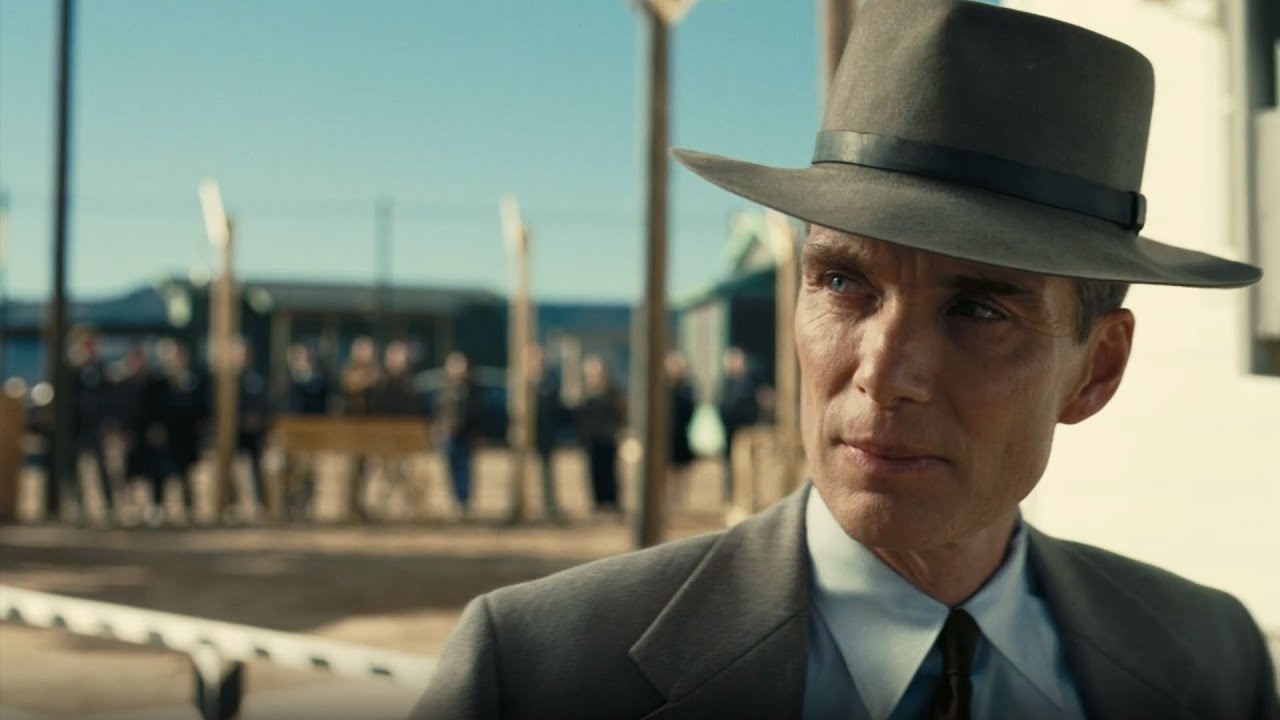
Cillian Murphy has long been a quiet force in Hollywood, a master of subtle intensity and profound character studies. While his talent has been evident for decades, his recent, Oscar-winning portrayal of J. Robert Oppenheimer has firmly cemented his status as one of the industry's most compelling and versatile actors. This isn't a sudden ascent, but rather the culmination of a meticulously built career, marked by challenging roles and unforgettable performances.
The Early Years and Finding His Footing
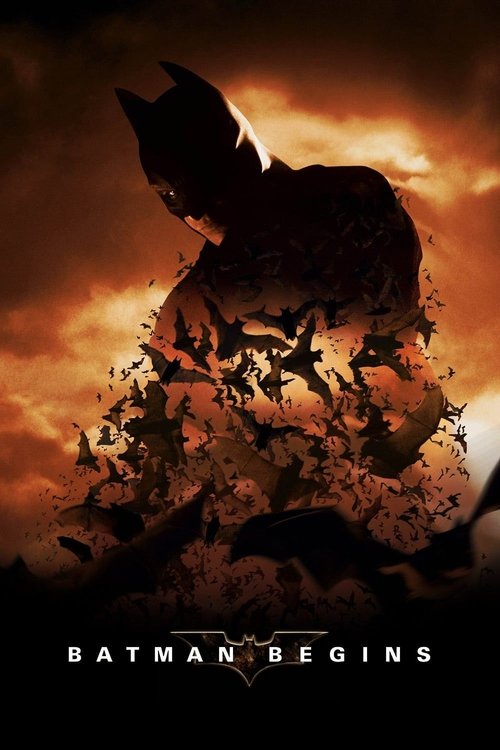
Born in Cork, Ireland, Murphy initially pursued a career in law before the siren call of acting proved irresistible. His early work in independent films and theatre quickly garnered attention, showcasing his unique blend of vulnerability and intensity. Roles in films like "28 Days Later" (2002) and "Breakfast on Pluto" (2005) demonstrated his range, from a desperate survivor in a zombie apocalypse to a transgender woman searching for love and identity. These early performances hinted at the profound depth he would later bring to more prominent characters.His first collaboration with director Christopher Nolan in "Batman Begins" (2005), where he played the chilling Dr. Jonathan Crane/Scarecrow, marked a significant turning point. It was the beginning of a fruitful partnership that would see him appear in several of Nolan's most iconic films, often in scene-stealing supporting roles.
The Peaky Blinders Phenomenon: Tommy Shelby
For many, Cillian Murphy became a household name through his iconic portrayal of Thomas "Tommy" Shelby in the BBC's critically acclaimed series "Peaky Blinders." For six seasons, Murphy embodied the complex, ruthless, yet deeply troubled leader of the Shelby crime family. His performance was a masterclass in controlled intensity, conveying Tommy's ambition, trauma, and calculated brutality through subtle glances, a distinctive walk, and that piercing gaze.Tommy Shelby wasn't just a gangster; he was a war veteran haunted by his past, a shrewd businessman, and a man constantly battling his inner demons. Murphy's ability to humanize such a morally ambiguous character, making audiences both fear and empathize with him, was central to the show's global success. "Peaky Blinders" allowed Murphy to explore the full spectrum of human emotion, solidifying his reputation as an actor capable of carrying a major series.
Nolan's Muse: A Path to the Lead
Christopher Nolan clearly recognized something special in Murphy. Beyond "Batman Begins," Murphy appeared in "Inception" (2010) as Robert Fischer, the target of the dream heist, and "Dunkirk" (2017) as a shell-shocked soldier. In each instance, he brought a quiet gravitas and an unsettling presence, even in limited screen time. These roles were stepping stones, building a rapport and trust between actor and director that would eventually lead to their most ambitious collaboration.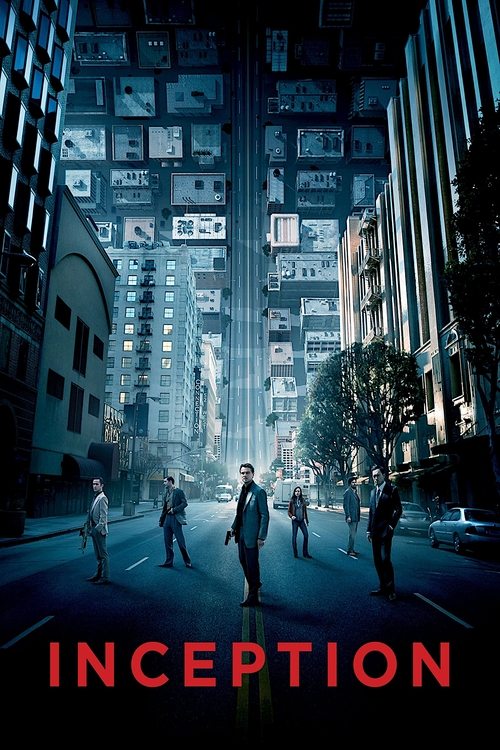
Nolan's decision to cast Murphy as the titular character in "Oppenheimer" was a testament to this enduring partnership and Murphy's proven capability. It was a bold move, elevating an actor known for his powerful supporting roles to the demanding lead of a three-hour historical epic.
Oppenheimer: The Zenith of His Career
"Oppenheimer" presented Cillian Murphy with the role of a lifetime, and he seized it with unparalleled dedication. Portraying J. Robert Oppenheimer, the theoretical physicist credited as the "father of the atomic bomb," required immense intellectual and emotional depth. Murphy underwent a significant physical transformation, losing weight to embody Oppenheimer's gaunt appearance, but it was his internal work that truly shone.He captured Oppenheimer's brilliant intellect, his moral quandaries, his personal complexities, and the immense burden of his creation with breathtaking precision. Murphy conveyed the scientist's internal turmoil through his eyes, his posture, and a quiet intensity that spoke volumes. The film is largely a character study, and Murphy's performance anchors every frame, drawing the audience into Oppenheimer's mind and the ethical dilemmas he faced. His Oscar win for Best Actor was not just deserved; it was a recognition of a career spent honing a craft that prioritizes truth and subtlety over spectacle.
The Cillian Murphy Effect: Intensity and Authenticity
What defines Cillian Murphy's acting style? It's often his remarkable ability to convey profound emotion and complex thought with minimal external expression. His characters often carry a heavy weight, a simmering intensity that can erupt or remain contained, always compelling. He immerses himself fully, often described by collaborators as incredibly focused and private on set, allowing him to inhabit his roles completely.From the haunted eyes of Tommy Shelby to the intellectual anguish of Oppenheimer, Murphy consistently delivers performances that are deeply authentic and layered. He doesn't just play characters; he becomes them, inviting the audience to explore their inner worlds.


![Discover how Timothée Chalamet became a global sensation. From [[Call Me By Your Name]] to [[Dune]], explore his captivating roles and rise to stardom.](/image.php?source=blog&path=assets%2Fimg%2Fblog%2Fblog_20260316_204850_15ffff43.png&size=medium)