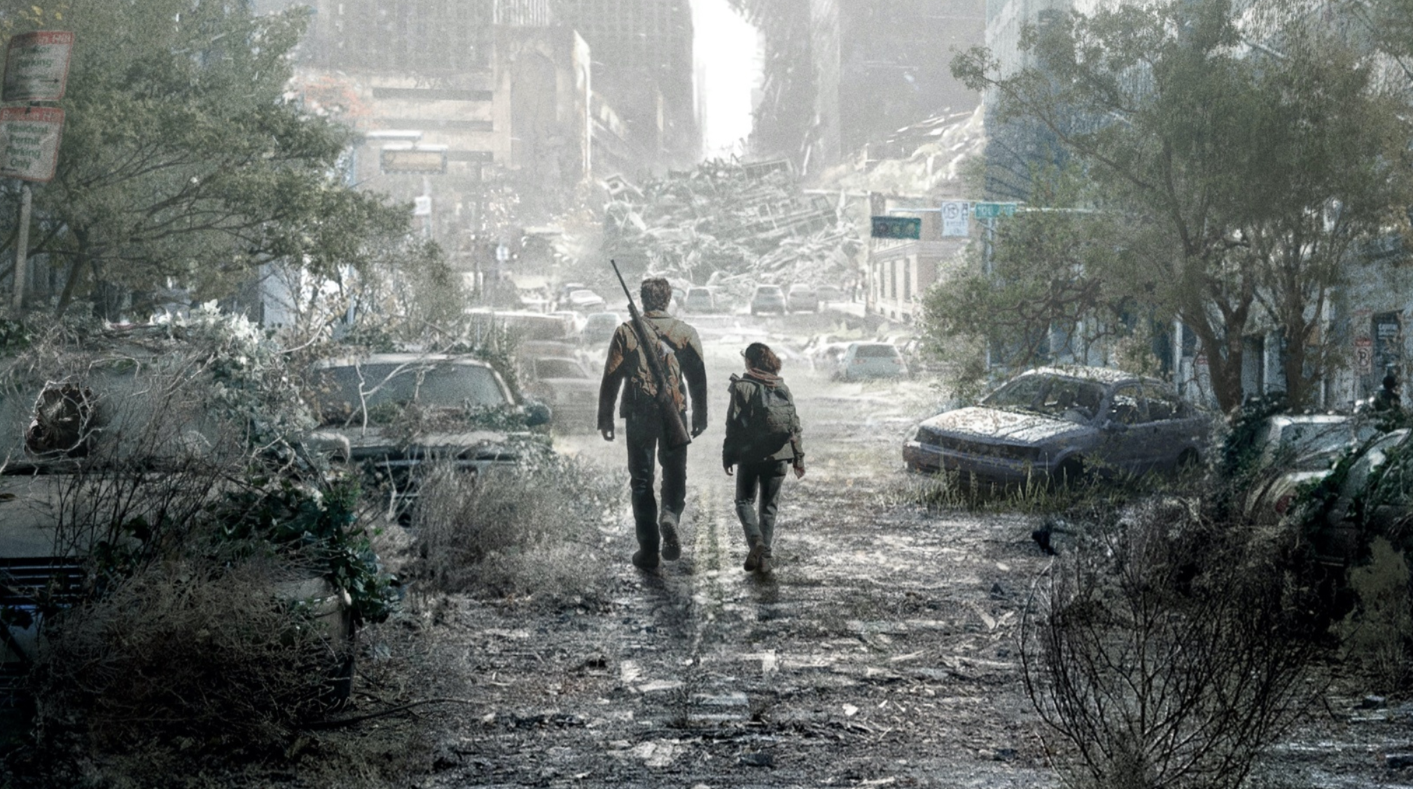
A Faithful Yet Fresh Adaptation
One of the most impressive feats of HBO's The Last of Us is its ability to remain incredibly faithful to the source material while simultaneously finding opportunities to enrich and expand upon it. Showrunners Craig Mazin (known for Chernobyl) and Neil Druckmann (co-creator of the game) meticulously crafted a narrative that honors the game's iconic moments, dialogue, and character beats. Fans immediately recognized scenes ripped straight from the PlayStation classic, from the harrowing opening sequence to the quiet, poignant moments shared between Joel and Ellie.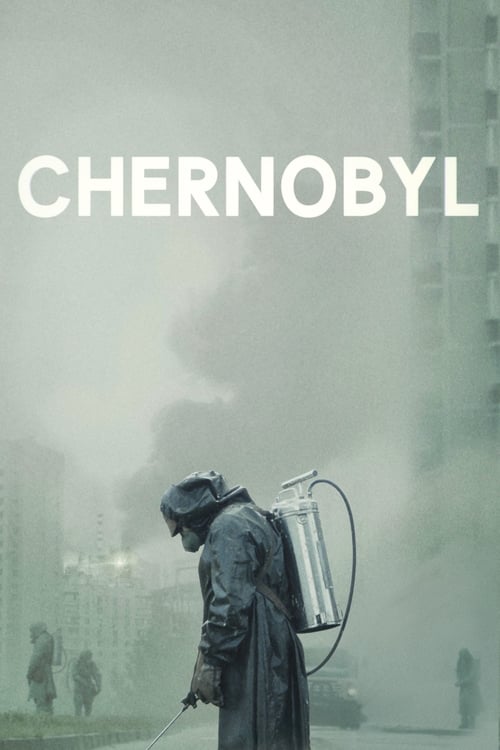
However, where the series truly shined was in its willingness to diverge and explore new facets of its world. The standout example is undoubtedly the third episode, "Long, Long Time," which dedicates an entire hour to the heartbreaking and beautiful love story of Bill and Frank. This narrative, only briefly hinted at in the game, was given space to breathe, becoming a profound exploration of connection and survival in a world devoid of hope. It was a bold move that paid off, demonstrating the show's confidence in its storytelling and its commitment to character development beyond the main duo.
Unforgettable performances: Joel and Ellie Reimagined
The success of The Last of Us hinged almost entirely on the portrayal of its two central figures: Joel Miller and Ellie Williams. Pedro Pascal, known for his roles in The Mandalorian and Game of Thrones, steps into Joel's worn boots with a nuanced performance that captures his gruff exterior, his deep-seated trauma, and the paternal instinct that slowly reawakens within him. Pascal masterfully conveys Joel's internal struggle, making his journey from reluctant smuggler to fiercely protective guardian utterly believable.

Bella Ramsey, who also made an impact in Game of Thrones, is nothing short of phenomenal as Ellie. Ramsey embodies Ellie's fiery spirit, her sharp wit, and her vulnerability with remarkable authenticity. She perfectly captures the character's blend of childlike innocence and hardened cynicism, a product of growing up in a world ravaged by the Cordyceps infection. The chemistry between Pascal and Ramsey is the beating heart of the show, evolving from wary distrust to an unbreakable bond that feels earned and deeply moving. Their interactions, whether bickering over a map or sharing a moment of quiet understanding, are consistently compelling.
The World of Cordyceps: A Terrifying Reality
The fungal apocalypse depicted in The Last of Us is uniquely terrifying, and the show brings it to life with chilling realism. The infected, from the monstrous Clickers to the grotesque Bloaters, are rendered with a horrifying fidelity that makes every encounter a tense, heart-pounding experience. But beyond the immediate horror, the series also excels at portraying the desolate beauty of a world reclaimed by nature. Overgrown cities, crumbling infrastructure, and the eerie silence of abandoned towns create a pervasive atmosphere of melancholy and survival.The show doesn't just focus on the monsters; it delves into the human cost of the apocalypse. We see the desperation, the moral compromises, and the formation of new, often brutal, societies. The fear of other survivors often outweighs the fear of the infected, highlighting the depths of human depravity and resilience when pushed to the brink.
Beyond the Game: Expanding the Narrative
While the game's narrative arc is largely preserved, the series takes advantage of the television format to delve deeper into the backstories of supporting characters and the broader implications of the pandemic. We get glimpses into the lives of characters like Kathleen, a new creation for the show, whose vendetta against FEDRA adds another layer of human conflict. The exploration of different survivor communities, from the totalitarian rule of FEDRA to the cannibalistic horrors of David's group, paints a comprehensive picture of a fractured world.The show also benefits from not being constrained by gameplay mechanics, allowing for more focused character development and emotional beats. This enables a slower, more deliberate pacing in certain episodes, letting moments of quiet reflection and dialogue truly sink in, enriching the viewer's understanding of the characters' motivations and inner lives.


![Discover how Timothée Chalamet became a global sensation. From [[Call Me By Your Name]] to [[Dune]], explore his captivating roles and rise to stardom.](/image.php?source=blog&path=assets%2Fimg%2Fblog%2Fblog_20260316_204850_15ffff43.png&size=medium)